Updated for 2026 • Beginner-friendly • Step-by-step
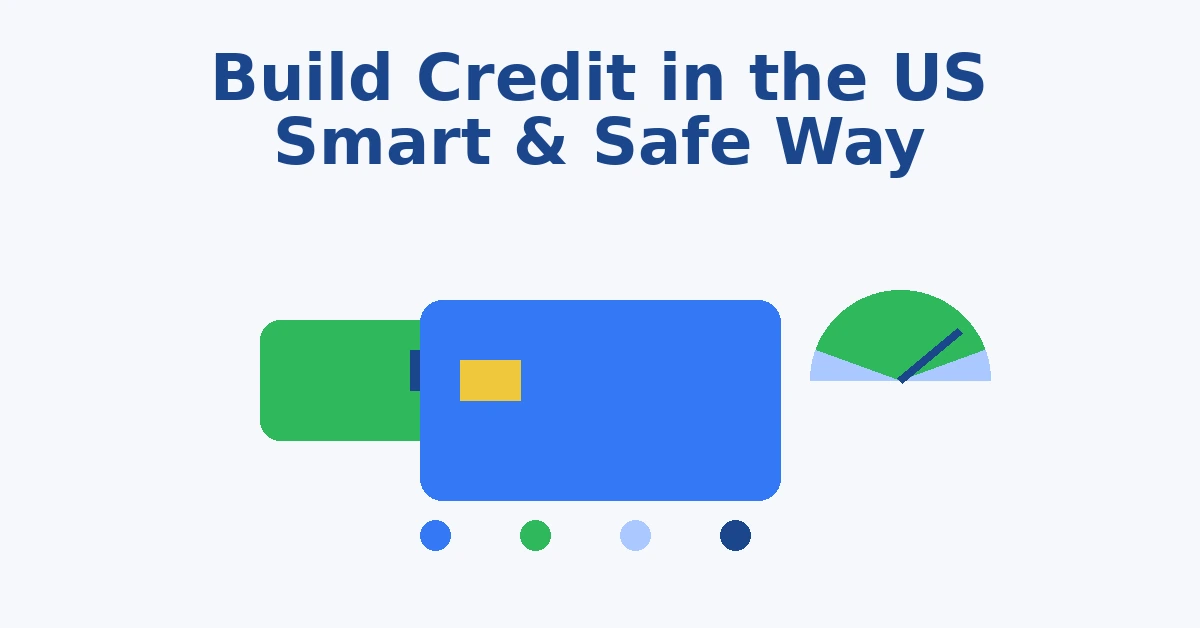
740 Very Good 300 850 How to build credit in the US: example credit score gauge showing 740 in the Very Good range

How to Build Credit in the US (Beginner Guide 2026)

MyCreditStart helps beginners and immigrants build credit in the US safely, step by step — without risky shortcuts.

Beginner-friendly No scams, no hype Clear steps that work

Start with this simple path

STEP 1

Understand the basics

Learn what a credit score is, how it’s calculated, and what actually moves it.

STEP 2

Build safely with cards

Use secured/starter cards correctly: autopay, low utilization, and zero late payments.

STEP 3

Grow faster (legally)

Improve your score with smart habits and safe tools — not risky “shortcuts”.

Explore by category

Credit Basics

Understand how credit scores work and what affects them most.

Explore →

Credit Building

Step-by-step guides to build credit safely from zero.

Explore →

Credit Improvement

Advanced strategies to increase your score.

Explore →

Beginner Credit Cards

Secured and starter cards explained clearly.

Explore →

Debt & Money Strategy

Pay off debt, invest, and build financial strength.

Explore →

Wealth & Financial Freedom

Income growth and long-term wealth building.

Explore →
How to Build Credit in the US – Safe Credit Building Roadmap Visual roadmap explaining how to build credit in the US: start with one secured card, set autopay, keep credit utilization between 1 and 9 percent, make on-time payments, and build a strong credit profile over 6 to 12 months. Safe Credit Building Roadmap Simple steps that build real credit — no risky shortcuts Start with 1 card secured / starter card reports to bureaus Autopay + small spend never miss due dates keep it simple Utilization 1–9% pay before statement avoid 30%+ On-time payments payment history matters 0 late payments Strong profile 6–12 months clean then upgrade safely Tip: pay before statement date if utilization looks high.

Core credit guides (Start here)

How Credit Scores Work

The full breakdown of payment history, utilization, age, inquiries, and mix.

Read →

What Affects Your Credit Score Most

The most important ranking factors and how to control them.

Read →

How to Build Credit in the US

The complete beginner path for 2026.

Read →

Secured Credit Cards Explained

How they work and when to use them.

Read →

Credit Utilization Rule

0% vs 1–9% vs 30% — what actually works?

Read →

Statement Balance vs Current Balance

What gets reported — and why timing affects utilization.

Read →

Latest posts

New • Credit Building

12-Month Credit Building Plan

A simple, realistic plan you can follow month by month without “credit hacks.”

Read →
New • Credit Basics

Hard vs Soft Inquiries

What lowers your score, what doesn’t, and how long each inquiry matters.

Read →
New • Credit Improvement

Credit Limit Increase

When to ask, what to say, and how it can help utilization.

Read →
New • Credit Basics

Statement Balance vs Current Balance

What actually gets reported — and why timing affects utilization.

Read →
New • Credit Improvement

Late Payment Damage Control

Exactly what to do in the first 48 hours to reduce the damage.

Read →
New • Credit Cards

Best Beginner Cards (No SSN Options)

A practical guide for newcomers building credit from scratch.

Read →

Want everything in one place? Visit the Blog →

FOR IMMIGRANTS

How to build credit in the US safely

If you don’t have US credit history yet, follow a proven path: pick the right first product, set autopay, keep utilization low, and avoid common traps.

Start with 1 secured/starter card
Turn on autopay (never miss a due date)
Keep utilization low (ideally 1–9%)
Avoid “credit repair” shortcuts
RECOMMENDED (OPTIONAL)

Recommended tools & beginner products

We’ll add real recommendations over time (cards/services/banks). No aggressive selling.

Questions? Email contact@mycreditstart.com.

Quick answers

Can I build credit without a long US history?

Yes. The safest “fast” path is usually: secured/starter card → autopay → low utilization → on-time payments. Avoid “quick fix” offers.

How fast can my score improve?

You may see movement within 1–3 billing cycles, but meaningful strength usually takes 6–12 months of clean history.

Do “credit repair” services help?

Be careful. Many are overpriced or misleading. Most improvement comes from habits: utilization, on-time payments, and account age.

What is the #1 beginner mistake?

High utilization + missed payments. Even one late payment can hurt for a long time. Keep balances low and automate payments.

Disclaimer: Educational content only. Not legal/financial advice. Results vary by person and credit profile.

Strategic Credit Articles

Credit Utilization Rule

What 0% vs 1–9% vs 30% really does to your score — with examples.

Read →

Hard vs Soft Inquiries

What lowers your score, what doesn’t, and how long inquiries matter.

Read →

Statement vs Current Balance

What gets reported — and why timing can change your utilization.

Read →

Start building your credit today

Follow the beginner path: learn the basics, choose the right first card, and build a clean history step by step.

About MyCreditStart

MyCreditStart is an independent educational website created to help beginners, immigrants, and newcomers understand the US credit system and build credit safely from zero.

Contact: contact@mycreditstart.com